 What a major milestone this is!
Laura Esserman and Shelley Hwang — named to the 2016 TIME 100 Most Influential People in the World!
Why are These Doctors in My Top 10?
From the day I received a DCIS diagnosis and I was told of the very drastic and aggressive treatments, I began to investigate what intuitively felt seriously wrong. I was scared, confused and overwhelmed, but thankfully I soon discovered two breast surgeons leading a “controversial” call for change and discussing the problem of “over-treatment” of DCIS.
Laura Esserman and Shelley Hwang became my heroes. They were both boldly taking a stance — challenging the medical status quo when it came to DCIS and calling for radical change. I have been following and promoting their important messages for over six years.
Up until recently the mainstream media didn’t pay much attention to them. Celebrities with DCIS choosing double mastectomies made headline news while the over-treatment issue — potentially harming thousands of women every year — continued under the radar of the major media.
Then in August 2015, the largest study ever on DCIS concluded there was no difference in survival between DCIS treatments. Almost overnight Esserman and Hwang began to get the attention and recognition they deserved. Even I was featured in several major news segments! Click here to see all the exciting media hoopla.
The Inspiration to Create DCIS 411
One of the biggest reasons I felt compelled to create DCIS 411 was to share Esserman and Hwang’s published statements that I had been collecting for nearly two years.
I discovered their controversial wisdom soon after receiving the shocking blow that sent me scrambling to the internet in January 2010. Esserman and Hwang gave me my sanity back. I felt completely validated and reassured that I was not crazy for choosing to forego drastic and alarming “standard of care” treatment protocols my doctors in San Diego were urging me to do. I found a sense of peace and confidence knowing breast cancer experts believed as I did — only they had years of clinical experience and scientific research to back up what was just a strong gut feeling for me.
While I felt blessed and overjoyed every time I found an article quoting these experts, I knew most women probably did not have the time to research this topic as I had.
I felt strongly that every newly diagnosed woman deserved to know what these highly credible breast surgeons were stating. The problem, however, is all too often, women are rushed ahead with surgeries and radiation before they have a chance to blink. And even if they did find an article or two and they brought these out-of-the-box perspectives to their doctors, most surgeons and oncologists would likely not support them — or worse — scare them that DCIS was a “ticking time bomb.”
It sickened me to know that over 60,000 women a year might be missing a crucial message that could potentially save them from losing their breasts or sparing them from weeks of radiation.
Not Everyone Felt As I Did
When I first stumbled upon Esserman and Hwang’s bold viewpoints, I felt elated. I thought it would be a no-brainer for doctors and women to join the “less is more” bandwagon. To my astonishment, I was wrong. Resistance and even belittling from medical professionals and patients alike was what I experienced. Doctors quickly dismissed the topic of active surveillance as “too controversial” and “too risky.” My doctor actually said to me, “Don’t be stupid Donna.”
Even worse was the response from patients chatting in online DCIS support forums. When I shared links to articles discussing active surveillance and my choice to forego the standard of care aggressive protocol, a heated debate would often ensue. There were many naysayers and some were down-right mean. Many women argued — “DCIS IS CANCER” — and told me I was being foolish and irresponsible.
I quickly grew tired and frustrated hearing worst-case scenarios and statistics of bad outcomes. After being told NOT to “promote” my new DCIS 411 website by moderators in an online DCIS forum, I signed off for good. All I wanted was to help women find support, valuable resources and peace of mind if they were like me — seeking options to a fear-driven urgency to undergo potentially harmful treatments with little or no benefit.
How Sweet It Is — Making a Positive Difference
Today, much has shifted for the better thanks to Laura Esserman and Shelley Hwang.
Thanks TIME Magazine and Melissa Etheridge for honoring them. You just made the mission of DCIS 411 and DCIS Redefined a whole lot easier.
See 2016 TIME 100, “Breast-Cancer Doctors Who Dare To Do Less.”
Stay Tuned…
Be sure to to stay updated on both Esserman and Hwang’s important studies by “following” DCIS 411 here and on Facebook.
See Patient-Centered Outcomes Research Institute for more information on their latest studies.


 Where are the studies of women (like me) who have taken a less aggressive path for “low-risk” DCIS?
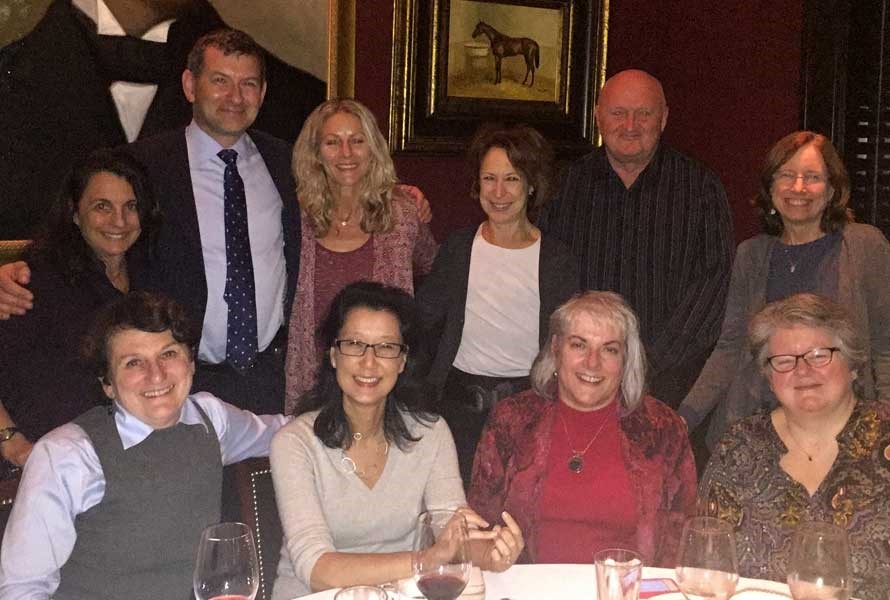 In 2016, I was invited to be one of four patient advocates on The COMET Study team.


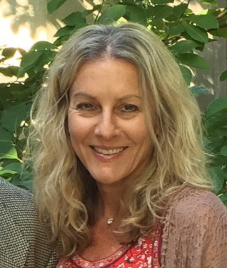
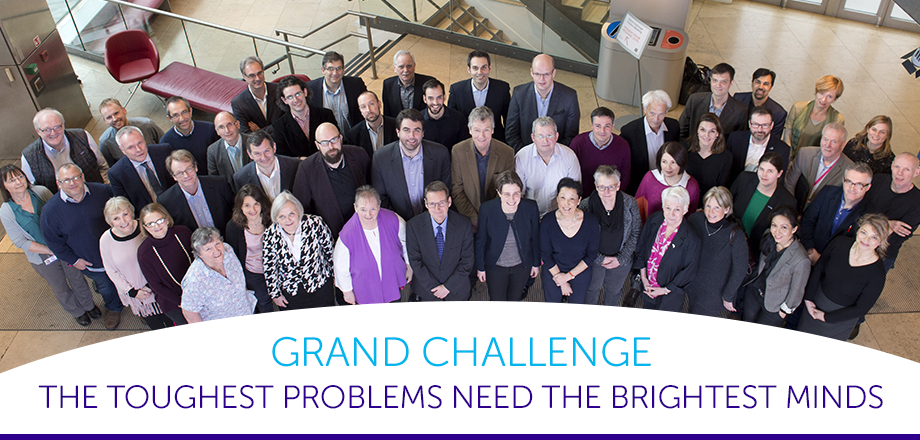 I’m honored, thrilled, humbled and grateful to be a part of an international team of scientists and patient advocates from the UK, the Netherlands, and the US on a 2nd paradigm-shifting research project.
 Breast Cancer Treatment
 In this
  Sadly, just as I was getting acquainted with the work of Adele Francis (LORIS trial Principal Investigator), I learned of her sudden passing.


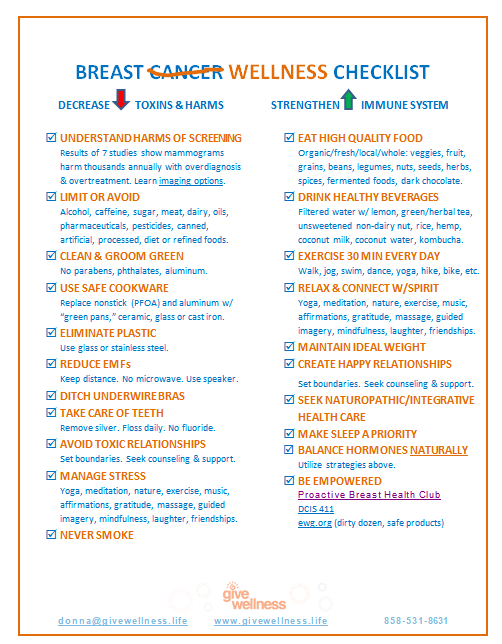 “Breast cancer is a dominant fear for many women. Fortunately, it’s also largely a preventable disease with the right diet and a healthy lifestyle. Contrary to what most people hope for, early detection by mammography causes more harm than good. Radical surgery, radiation, and chemotherapy are brutal remedies universally prescribed to women with breast cancer, yet they provide little survival benefit. Hormone manipulation is of some value, however the best and most overlooked approach for treating breast cancer is a change in diet and exercise.” – Dr. John Mcdougall. Read more




 DCIS 411