
Donna Pinto ~ Halloween 2011
by Donna B. Pinto
Pinktober is in full swing. Many of us (including me) have eagerly written checks to show support “for the cure.” But what if all the highly successful pink “awareness” campaigns have been focusing time, money and research in the wrong direction? What if “early detection” and screening mammograms don’t really save lives, but actually harm lives?
According to Overdiagnosed: Making People Sick in the Pursuit of Health, more than a million US women have received unnecessary and invasive cancer treatments over the last 30 years, thanks to routine mammograms that detected harmless tumors. The authors concluded, “we estimated that breast cancer was overdiagnosed – i.e., tumors were detected on screening that would never have led to clinical symptoms – in 1.3 million US women in the past 30 years.”
I learned about this the hard way. I bought into the “early detection saves lives” hoopla and started having mammograms at age 40 (thinking I was doing the most responsible, proactive, prevention-minded thing).
Despite the outrageously successful pink campaigns, I had never heard about the harms of mammograms and overdiagnosis. But as I began researching, here’s what I found:
- The U.S. Preventive Services Task Force (an unbiased panel of experts) declared: “only one cancer death is prevented for every 1,904 women age 40 to 49 who are screened for 10 years and “women under age 50 do not need routine screening mammography.”
- Panel Urges Mammograms at 50, Not 40 , NY Times, Nov 2009.
- “Screening saves probably one life for every 2,000 women who go for a mammogram. But it harms 10 others. Cancerous cells that will go away or never progress to disease in the woman’s lifetime are excised with surgery and sometimes (six times in 10) she will lose a breast. Treatments with radiotherapy and drugs, as well as the surgery itself, all have a heavy mental and physical cost. I believe the time has come to realize that breast cancer screening programs can no longer be justified. I recommend women to do nothing apart from attending a doctor if they notice anything themselves.” Mammography Screening: Truth, Lies and Controversy
- Widespread adoption of screening mammography has led to an 800% increase in the incidence of DCIS. However, screening has not resulted in a decrease in the rate of lethal disease (i.e., stage IV, metastatic disease) at diagnosis. Overdiagnosis of breast cancer (i.e., cancer that would never become a problem) is estimated to occur in 22-31% of all screen-detected breast cancers. – National Breast Cancer Coalition
In addition, mammography misses 20% to 25% of breast malignancies, especially in women with dense breasts. So why has “early detection saves lives” remained the prevalent belief and mantra of many doctors, breast cancer clinics, organizations and pink campaigns?
Cancer Survivor or Victim of Overdiagnosis? answers the question, “what should be done?”
“First and foremost, tell the truth: women really do have a choice. While no one can dismiss the possibility that screening may help a tiny number of women, there’s no doubt that it leads many, many more to be treated for breast cancer unnecessarily. Women have to decide for themselves about the benefit and harms. But health care providers can also do better. They can look less hard for tiny cancers and precancers and put more effort into differentiating between consequential and inconsequential cancers. We must redesign screening protocols to reduce overdiagnosis or stop population-wide screening completely. Screening could be targeted instead to those at the highest risk of dying from breast cancer — women with strong family histories or genetic predispositions to the disease. These are the women who are most likely to benefit and least likely to be overdiagnosed.”
As much as people don’t want to believe it, mammograms are a big part of the breast cancer problem.
Here’s how it goes: Some “suspicious-looking” calcifications on a screening mammogram lead to a 2nd “diagnostic” mammogram, then a core needle biopsy, then possibly a surgical biopsy. While 70- 80% of biopsies turn out to be benign, mammography’s high rate of false-positive test results creates a great deal of unnecessary emotional trauma.
If diagnosed with DCIS (Ductal CARCINOMA in Situ), it may be described as “stage zero breast cancer,” “pre-invasive,” “non-invasive,” “premalignant” or “a pre-cancerous lesion.” When a woman is told she has “Ductal CARCINOMA In Situ,” all she hears is CARCINOMA. It’s a loaded word. It reflexively induces panic and fear. Cancer represents an uncontrolled lethal growth and most women would instinctively want to “get it out” as quickly as possible. And, since it is unknown as to which of these “pre-cancers” will progress to full blown invasive cancer, the “standard of care” is to treat every women as though it actually is INVASIVE CANCER. Here are the two options most women diagnosed with DCIS are given (including me):
- Mastectomy
- Lumpectomy plus 6-7 weeks of daily radiation (a known cause of secondary cancers) and then 5 years of the drug tamoxifen (listed as a “known human carcinogen“ )
But hold on. According to Dr. Laura Esserman, Director of the Carol Franc Buck Breast Care Center at UCSF stated, “DCIS is not cancer. It’s a risk factor. In a recent NY Times article, Esserman states, “For many DCIS lesions, there is only a 5 percent chance of invasive cancer developing over 10 years. That’s like the average risk of a 62-year-old. We don’t do heart surgery when someone comes in with high cholesterol. What are we doing to these people?”
Thank you Dr. Esserman. This is an urgent topic for the 60,000 women a year who are diagnosed with DCIS and one million women who will be living with a DCIS diagnosis by 2020, according to the National Institute of Health estimate.
Dr. Esserman and other breast cancer experts are now leading an effort to rename DCIS and remove the anxiety-producing word CARCINOMA. Just by doing this, thousands of women will not become “cancer patients.” They will be spared all the traumatic emotional, physical and financial hardships of aggressive, frightening and costly cancer treatments.
And that’s the bright side to this story. What was just a feeling in my gut and inkling in the media a few years ago has now become a full blown campaign by breast cancer experts. In What is ‘cancer’? Experts may redefine what counts, “Researchers have called for sweeping changes to cancer detection and treatment that would alter cancer terminology by eliminating the word “cancer” from many common diagnoses. A JAMA report—written by a working group at the National Cancer Institute (NCI)—called for a meeting of a multidisciplinary panel of pathologists, with input from surgeons, oncologists, and radiologists, to consider the recommendations, which include:
- Renaming premalignant conditions—including ductal carcinoma in situ, which many physicians agree is not cancer— to exclude the word “carcinoma.”
- Reclassifying lesions detected during breast, prostate, thyroid, lung, and other cancer screenings as IDLE conditions, or “indolent lesions of epithelial origin,” rather than cancer.
The recommendations were driven by growing medical consensus—and concern—that thousands of patients are increasingly opting for needless and sometimes harmful treatments for premalignant and cancerous lesions that are unlikely to cause harm.”
I applaud these doctors and researchers for taking this bold stance. Change will not come easily in the medical community according to Dr. George D. Lundberg in his Medscape article Cancer? Not! But, by officially removing the big “C” word, there will be many more rational treatment decisions and less fear, anxiety and over-treatment.
DCIS Redefined, a website I co-created with Sandie Walters, provides valuable resources, integrative solutions and much needed support for women diagnosed with DCIS.
“Think Before You Pink” offers an informative eye-opener to corporate “pink-washing” and provides a list of “Critical Questions to Ask Before You Buy Pink.”
And finally, below is a checklist to guide you on a life-long path of “less pink and more GREEN.”
Eat, Drink & Think GREEN…
1. GREEN your mind ~ Empower yourself with information:
2. GREEN your body:
- Detoxify! Eliminate anything artificial, processed, GMO or refined.
- Eat organic GREENS; drink GREEN juices, smoothies, tea and water with chlorophyll daily!
- Discover the benefits of a plant-based, “alkaline” diet.
- Get to know EWG’s “Dirty Dozen” and “Clean 15.”
- Consult with a naturopathic Dr. to check hormone levels, vitamin D, iodine, and potential deficiencies. Discuss anticancer nutrition through diet and bio-identical hormone balance.
- Address and eliminate any yeast or inflammation issues.
- Stimulate your lymph system by jumping on a mini-trampoline.
- Reduce stress through yoga, meditation, breathing and exercise.
- Minimize plastics, alcohol, sugar, caffeine, microwave, cell phone use and other radiation.
- Get quality sleep.
- Don’t smoke!!!
3. Clean & Groom GREEN:
4. Give GREEN ~ Support organizations addressing ROOT CAUSES and PREVENTION of cancer:
- D.C.I.S. Redefined Provides support, personal stories, up-to-date research, integrative breast cancer prevention strategies and access to experts in the field of DCIS.
- Breast Cancer Action A national, feminist grassroots education and advocacy organization working to end the breast cancer epidemic.
- National Breast Cancer Coalition Mammography for Breast Cancer Screening: Harm/Benefit Analysis
- Dr. Susan Love Research Foundation Focused on finding the cause of breast cancer and stopping it before it starts.
- Environmental Working Group Serves as a watchdog to see that Americans get straight facts, unfiltered and unspun, so they can make healthier choices and enjoy a cleaner environment.
- The Mederi Foundation A comprehensive approach to healing and wellness embracing botanical medicine as its soul while integrating principles essential to the management of cancer and other diseases from both traditional and modern medical systems.
“The time is now ripe for a truly wholistic medical approach to emerge — one that integrates the wisdom of ancient healing systems with the best of modern medicine, including both botanical and pharmaceutical toolboxes.” – Donnie Yance, Herbal Medicine, Healing & Cancer

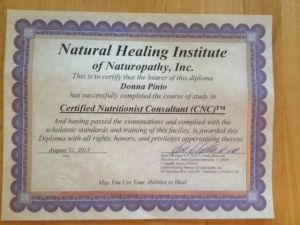 It’s been nearly four years since my journey with DCIS began. And while the beginning seemed to be a total nightmare — filled with extreme stress, overwhelm, confusion and fear — I now see the many blessings that this crazy DCIS has brought to my life… and to others. Here are just 3…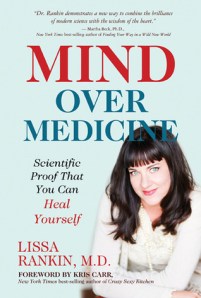
















 DCIS 411