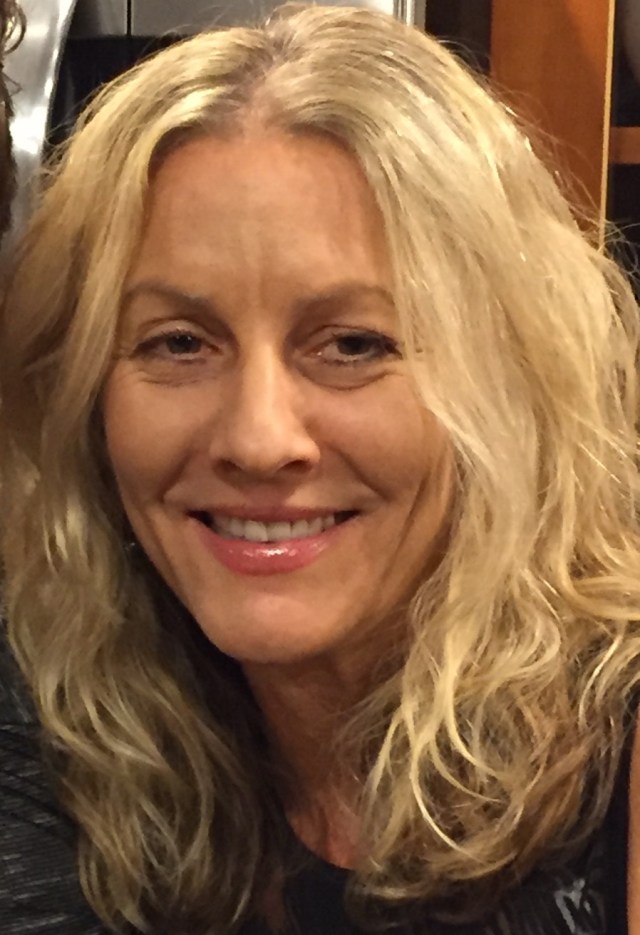
“Donna Pinto didn’t give her fourth mammogram screening much thought. Like a dental cleaning, it was routine—but this time, she received a callback. Within weeks, she was being scanned, biopsied, and advised to consider surgery.
There was one problem: She wasn’t sure she was sick.
Pinto’s experience highlights a problem that screening cannot always solve. Tests designed for people without symptoms are good at finding abnormalities, but far less reliable at predicting which ones will cause harm. In cancer screening, that uncertainty often pushes patients into a fast-moving chain of follow-up care—sometimes for conditions that might never have affected their health at all.”
MY THOUGHTS…
It’s very scary…
Being told you have “cancer” — even if it is “stage ZERO,” a “pre-cancer,” and not actually a dangerous invasive cancer. It’s still scary.
The fear often creates a knee-jerk reaction — to act fast — and “get it out.”
For me, the aggressive cancer treatments sounded even more scary then the actual DCIS (80% never becomes actual invasive cancer.)
As I began to investigate why treatments were so extreme, I learned some doctors were concerned about over-treatment and they were advocating for “active surveillance” vs treatment.
This resonated with me and I felt emboldened to say “NO” to all of the “risk-reducing” treatments.
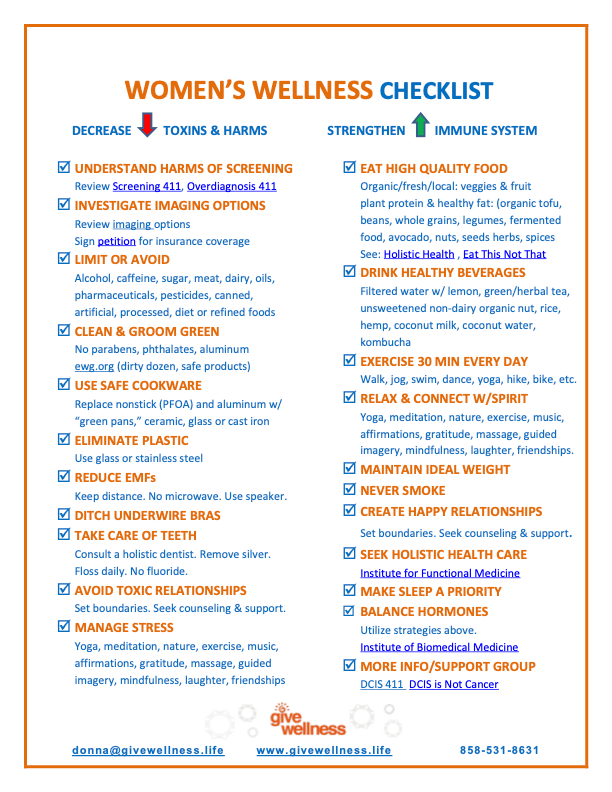
Instead, I chose to dive deep into diet and lifestyle for cancer risk reduction.
I know for many women how difficult it can be to navigate the uncertainty, especially with no prior knowledge of DCIS and how it is different than invasive breast cancer.
Along with the shock and fear, there is also so much pressure to schedule treatments, and so little support for slowing down and getting educated.
This is why I created online support groups affiliated with DCIS 411.
Back to the EPOCH TIMES article
I love that it features one of the most important things I learned along my investigational journey — that some “abnormalities” found on screening may be labeled as “cancer,” but they do not behave like cancer.
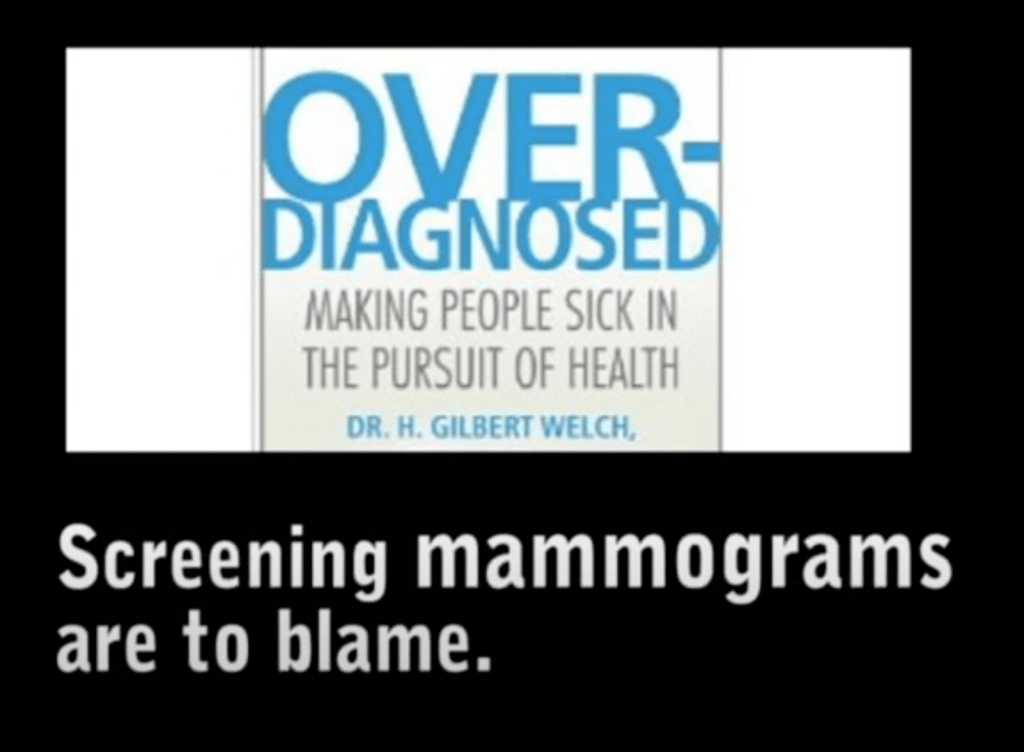
“Dr. H. Gilbert Welch, a physician and longtime researcher of overdiagnosis, describes cancers as falling into three broad groups. Some are “birds,” fast and aggressive, often advanced by the time they’re detectable. Others, he calls “rabbits,” grow more slowly and may benefit from early treatment. Then there are the “turtles,” like Pinto’s case: real abnormalities that may grow very slowly, stop growing, or even regress—and may never cause symptoms or shorten life.”
It’s widely known as the “Barnyard analogy” of cancer…
Thankfully I found Dr H. Gilbert Welch early on as well as other highly intelligent ethical doctors who were speaking out and explaining this in Youtube videos and at annual “Preventing Overdiagnosis” conferences. I watched hours and hours until I understood it well.
What I am most shocked and concerned about is articles like this EPOCH TIMES piece come and go, yet the big medical centers, celebrities, media, and even really good doctors continue to carry on with marketing, promoting, and coercing women to “GET YOUR MAMMOGRAM.”
There is no informed consent, and so many women place trust in their doctor who may not even be fully informed about overdiagnosis — the most serious potential harm of mammography screening.
In conclusion, there is a heading in the EPOCH TIMES article called, What Happened to Donna Pinto:
“I went from perfectly healthy to being treated like a cancer patient overnight,” she said. “I had to get off the train.”
If you are interested in hearing more of What Happened to Donna Pinto, please sign up to “Follow” my blog on DCIS411 homepage with your email address and you will receive periodic blog posts via email.
January 19, 2026 will be 16 years from the day I was given a diagnosis of DCIS. It’s been an incredible eye-opening educational experience — and I will be sharing my 16 year update via my blog.
My second website, DCIS Redefined, delves deeper into overdiagnosis and iatrogenic harm (: induced unintentionally by a physician or surgeon or by medical treatment or diagnostic procedures).
Thank you to all my supporters over the years and a special thank you to Sheramy Tsai, EPOCH TIMES HEALTH writer, for pouring so much time into this important article on Routine Screenings.
It is part 7 in “Becoming A Proactive Patient”:
Practical tools to help you navigate doctors, tests, treatments, and costs, so you can avoid pitfalls, make informed choices, and become an active partner in your care.
“Alone we can do so little — together we can do so much.”— Helen Keller
Many women cannot afford life-changing health-care not covered by insurance.
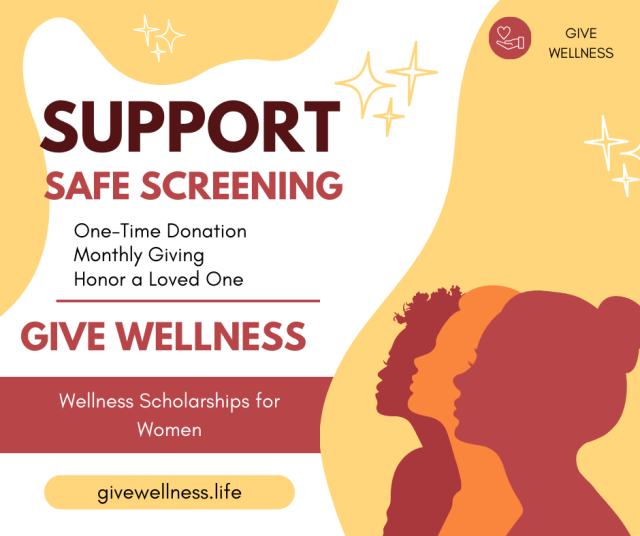
Give Wellness is a nonprofit organization providing resources and scholarships for women with financial hardship seeking safe breast screening and holistic wellness.
During this season of giving, we invite you to join us.
Together we can help all women access safe, holistic care options.
Your donation directly supports women with financial hardship.
Today is #GivingTuesday. Please help me help women access safer, holistic, and truly informed health options.Together, we can help women access:
Safe, radiation-free breast screening
Holistic health services not covered by insurance
Why This Matters
Too many women today:
aren’t given full informed consent,
feel pressured by the “standard of care,”
believe they can’t afford integrative options, and
come to me searching for trustworthy guidance and referrals.
My nonprofit, Give Wellness, provides the education, resources, and support women need to make empowered choices—especially around radiation-free screening and holistic wellness.
But as demand grows, I must expand my network with those who share this vision. This is where YOU come in.
I Need Committed Partners Willing to Take Action
After reviewing the Give Wellness mission, please consider joining me—as a referral partner, sponsor, or donor—so we can help more women access the care, compassion, and options they truly deserve.
“Alone we can do so little — together we can do so much.” — Helen Keller
Many Women Cannot Afford Life-Changing Health Care Not Covered by Insurance
Your support helps women access:
Radiation-free breast screening
2nd pathology opinions
Advanced bio-marker & lab testing
Holistic wellness products and services
Monetary contributions are greatly needed. Giving Tuesday is the one day each year when your generosity can have an exponential impact — every dollar truly matters.
💖 Sponsorship Opportunities
Scholarship Fund – $250 to $1,000
Provide a monetary scholarship for 1–4 women, giving them access to critical health services they otherwise could not afford.
Mission Partners – $1,000+
Your contribution goes beyond direct scholarships. It helps amplify our educational campaigns, expand outreach, and reach women globally. Mission Partners receive featured partner visibility across all Give Wellness platforms.
Custom Partnership
Let’s build a sponsorship package tailored to your values, vision, and goals.
Together, let’s give women the gift of safety, knowledge, and wellness.
Give strength. Give hope. Give healing. Give Wellness.
Despite being told, “Your breast is like spoiled soup; it isn’t worth saving,” I declined all further “standard of care” treatment recommendations in 2011. I said good-bye forever to fear-mongering doctors and forged my own path to health and well-being.
It’s now 16 years later. I never developed invasive cancer. I became a passionate advocate for informed choice in breast cancer screening and living a healthy life — mind, body, and spirit.
My journey down the overdiagnosis rabbit hole began in 2009. It took me two years of research and personal experience to fully understand this ginormous women’s health epidemic affecting millions of women over decades.
I also learned quickly that it was taboo to say anything negative about mammography screening.
But once I understood the truth, I could not remain silent.
Over the years I have tried my best to explain the undisclosed problems with mammography screening in blog posts and media interviews.
This one minute clip from a video I made in 2015 shares my story and realizations along the way.
Making wellness a way-of-life... For Cancer Prevention. For Optimal Health. For Everyone.
Goal: Create partnerships and raise money for a scholarship fund for women (with financial hardship) to access safer breast screening and holistic health services not covered by insurance. Donations appreciated here. Partnership info here.
Dr. Jenn Simmons, a former breast surgeon, is one of the experts quoted in my ebook speaking out about risks, harms and limitations of mammograms. Below is a podcast where we discuss DCIS, overdiagnosis, mammography screening and safer breast screening options.
Advocacy
Women today are hungry for better solutions. Some have joined me in advocating for change. Check out my friends leading the Smash a Melon Challenge — an exciting and fun new social media campaign, grassroots movement, and call to action.
A new study published in the British Medical Journal (BMJ), July 2025, adds to growing evidence that many women with a DCIS diagnosis may want to consider an active monitoring approach.
The study followed nearly 1,800 women in the U.S. who chose not to have surgery right away after a DCIS diagnosis. Researchers wanted to see how many of these women developed invasive breast cancer and how many died from breast cancer over time. The women were followed for about 4–8 years.
Summary of Key Findings
Low-risk DCIS: about 8 in 100 developed invasive cancer.
Higher-risk DCIS: about 14 in 100 developed invasive cancer.
Fewer than 2 in 100 women died from breast cancer over those 8 years.
Overall, most women lived and did not develop invasive cancer, even without immediate surgery.
Sign this Petition:INFORMED CHOICE in Breast Cancer Screening / Insurance for Ultrasound and QT Imaging (Please sign, but do not donate on this petition!)
If you’d like to make a DONATION, please click here. Thank You!
Mammogram Opt-Out Letter
(Feel free to copy and paste)
To whom it may concern,
I am writing to formally decline mammograms at this time. This decision is based on my personal review of independent medical literature, scientific research, and my own health priorities and values.
While I understand that mammography has been widely used as a tool for early detection of breast cancer, I have concerns regarding its risks, limitations, and potential harms—particularly in women who are asymptomatic and of average risk.
My decision is informed by the following considerations:
– Lack of proven mortality benefit in certain groups: Several large studies, including randomized trials, have shown that mammography screening does not significantly reduce overall breast cancer mortality in women under 50 or in those without high-risk factors.
– Risk of overdiagnosis and overtreatment: Mammography often detects abnormalities such as Ductal Carcinoma In Situ (DCIS) that may never become life-threatening. However, once detected, these findings frequently lead to aggressive interventions (surgery, radiation, hormone therapy) that may not be medically necessary and can negatively impact quality of life.
– Risk of under-diagnosis: Mammograms miss 40% of INVASIVE cancer in dense breast tissue.
– Unnecessary biopsies: Studies show that approximately 80% of breast biopsies are benign, meaning many women endure pain, anxiety, and possible tissue injury from procedures that ultimately reveal no cancer.
– Radiation exposure: Repeated exposure to even low-dose ionizing radiation over time may pose a cumulative risk, especially in women who begin screening at a younger age or undergo frequent follow-ups.
– Compression: Studies report up to 70-90% of women experience pain or discomfort
–Psychological and emotional toll: False positives, unnecessary biopsies, and labeling abnormalities as “disease” or “pre-cancer” can lead to anxiety, stress, and long-term consequences, even when no invasive cancer is present.
– Preference for alternative imaging: I am actively exploring safer, non-radiation-based breast health monitoring options, including self-breast awareness, QT Imaging, and Automated Breast Ultrasound (ABUS).
I request that this decision be noted in my medical record and that my choice be honored without pressure, fear-based messaging, or assumptions about compliance. I am committed to making evidence-informed, individualized decisions regarding my health, in consultation with providers who respect informed consent, patient autonomy, and shared decision-making.
If you would like to discuss this further, I welcome a respectful and open conversation.
When Yelena Wells was diagnosed with DCIS, she felt intense pressure from doctors to undergo immediate and aggressive treatment for what is essentially a precancerous condition. This experience led Yelena to research deeply and begin questioning the standard medical approach. She is grateful to share her journey and to be part of a community that embraces holistic paths to healing. Yelena hopes to empower other women to make informed decisions and find their own path to health and wholeness.
For decades, women diagnosed with ductal carcinoma in situ (DCIS) have been told they have “stage zero breast cancer,” creating fear and urgency to treat it aggressively. But a growing body of research challenges whether DCIS should even be called cancer in the first place, as treatment does not lower the risk of dying of breast cancer.
In fact, a 2015 Science Direct qualitative study showed that women’s treatment choices shifted dramatically depending on the terminology used. Calling it “abnormal cells” rather than “carcinoma” reduced anxiety and led to more conservative management preferences. Similarly, Medscape proposed removing “carcinoma” from the name altogether to better reflect its non-invasive nature.
Treatment Has Not Reduced Invasive Cancer Rates
Despite the surge in early detection and aggressive treatment of DCIS over the past 40 years, invasive breast cancer rates have not declined. The Sea of Uncertainty Surrounding DCIS and Diagnosis and Management of DCIS highlight that while DCIS treatments lower local recurrence rates, they do not affect overall breast cancer mortality. As Time reported in 2015, “DCIS treatment reduces recurrence but doesn’t save lives.”
This has led many experts to question why we continue to treat DCIS like cancer when removing it surgically or radiating it has no measurable impact on survival rates.
The COMET Study: A New Approach to DCIS
Perhaps the most promising shift in this debate comes from the recent COMET trial (Comparison of Operative to Monitoring and Endocrine Therapy), which evaluates active surveillance versus surgery for low-risk DCIS. Early findings suggest that women who forgo immediate surgery and choose careful monitoring with or without hormonal therapy fare just as well as those who undergo lumpectomy or mastectomy. This aligns with DCIS: to treat or not to treat? and Treatment of low-risk DCIS: is nothing better than something, both of which question whether doing less could actually be better for patients. Even the National Breast Cancer Coalition defines Ductal Carcinoma In Situ (DCIS) as NOT cancer.
Moving Forward: Rethinking Risk, Terminology, and Treatment
As When Cancer is Not Cancer emphasized, redefining DCIS is not just about semantics; it is about empowering women to make informed decisions without fear-based pressure. The current evidence indicates that DCIS may be a marker of increased risk rather than a pre-cancer needing immediate surgical removal.In 2010, the American Cancer Society and National Cancer Institute held a conference to review current issues in DCIS risk communication and decision-making and to identify directions for future research, including consideration of nomenclature changes.
Understanding DCIS and the language we use to describe it is crucial. Women deserve clarity, not confusion and fear when making decisions about their health.
From questioning doctors and “standard of care” treatments, Janet describes the emotional toll she went through with what felt like bullying, fear, excessive treatments, PTSD and lack of support.
With an initial diagnosis of low-intermediate grade DCIS in 1999, and a subsequent DCIS diagnosis in 2012, Janet ultimately underwent a mastectomy due to pressures from her doctors about the uncertainty of potential invasive breast cancer.
“My final pathology report was ‘NO CANCER and NO residual DCIS. Sadly I went through 6 months thinking things were much worse than they actually were,” Janet said. “In all, I had 9 procedures with a 10 year recovery from the surgery.” Today Janet often shares her insights with women in an online DCIS support group. Her advice: “Slow down, ask questions, don’t panic, read up, and understand your pathology report.”
Thank you Janet for being a bright light, staying positive, and being so eager to help others despite all you went through!
If you’d like to share your story, please email Donna: dp4peace@yahoo.com
PS: “My Health Wake-Up Call” — Donna’s podcast is also available to listen to on Spotify! Click here.
On this meaningful date 4-11, I am thrilled to finally publish the first edition of my eBook, a project which began over 15 years ago when I started researching this topic!
This is my gift to you — my supporters — and all women everywhere.
Please click on the cover image to download the eBook pdf file.
I would appreciate any feedback on this first edition. Please comment below or email me at: dp4peace@yahoo.com
If you would like to buy me a tea, a green juice, or if you’d just like to support my work, please scan the the QR code below or click on it for a link to my Venmo account.









 DCIS 411