

Has your doctor warned you about potential risks and harms of cancer screening?
Mine didn’t.
I learned the hard way.
My story is featured in an article in THE EPOCH TIMES, published January 7, 2026:
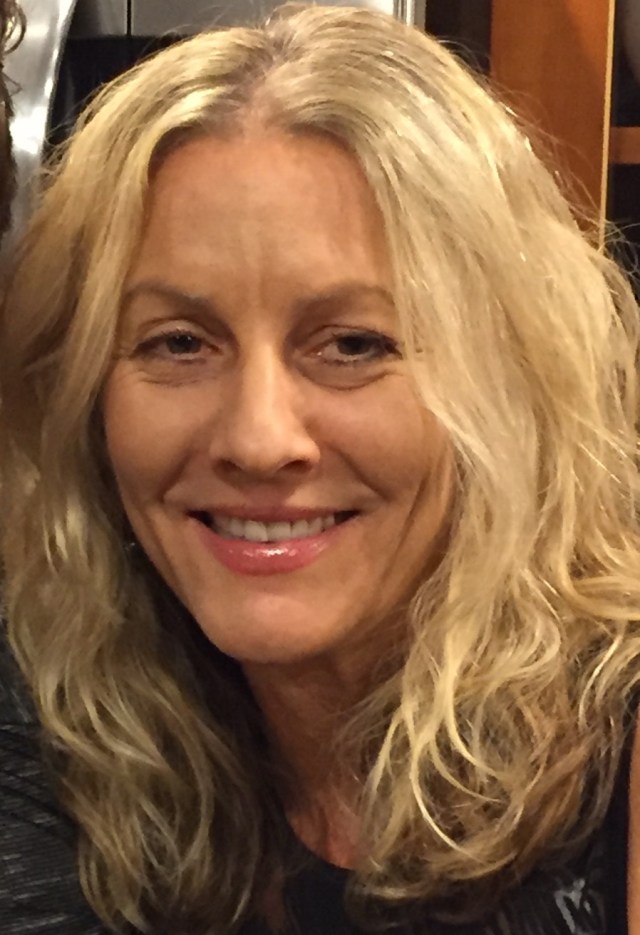
“Donna Pinto didn’t give her fourth mammogram screening much thought. Like a dental cleaning, it was routine—but this time, she received a callback. Within weeks, she was being scanned, biopsied, and advised to consider surgery.
There was one problem: She wasn’t sure she was sick.
Pinto’s experience highlights a problem that screening cannot always solve. Tests designed for people without symptoms are good at finding abnormalities, but far less reliable at predicting which ones will cause harm. In cancer screening, that uncertainty often pushes patients into a fast-moving chain of follow-up care—sometimes for conditions that might never have affected their health at all.”
MY THOUGHTS…
It’s very scary…
Being told you have “cancer” — even if it is “stage ZERO,” a “pre-cancer,” and not actually a dangerous invasive cancer. It’s still scary.
The fear often creates a knee-jerk reaction — to act fast — and “get it out.”
For me, the aggressive cancer treatments sounded even more scary then the actual DCIS (80% never becomes actual invasive cancer.)
As I began to investigate why treatments were so extreme, I learned some doctors were concerned about over-treatment and they were advocating for “active surveillance” vs treatment.
This resonated with me and I felt emboldened to say “NO” to all of the “risk-reducing” treatments.
Instead, I chose to dive deep into diet and lifestyle for cancer risk reduction.
I know for many women how difficult it can be to navigate the uncertainty, especially with no prior knowledge of DCIS and how it is different than invasive breast cancer.
Along with the shock and fear, there is also so much pressure to schedule treatments, and so little support for slowing down and getting educated.
This is why I created online support groups affiliated with DCIS 411.
Back to the EPOCH TIMES article
I love that it features one of the most important things I learned along my investigational journey — that some “abnormalities” found on screening may be labeled as “cancer,” but they do not behave like cancer.
“Dr. H. Gilbert Welch, a physician and longtime researcher of overdiagnosis, describes cancers as falling into three broad groups. Some are “birds,” fast and aggressive, often advanced by the time they’re detectable. Others, he calls “rabbits,” grow more slowly and may benefit from early treatment. Then there are the “turtles,” like Pinto’s case: real abnormalities that may grow very slowly, stop growing, or even regress—and may never cause symptoms or shorten life.”
It’s widely known as the “Barnyard analogy” of cancer…

Thankfully I found Dr H. Gilbert Welch early on as well as other highly intelligent ethical doctors who were speaking out and explaining this in Youtube videos and at annual “Preventing Overdiagnosis” conferences. I watched hours and hours until I understood it well.
What I am most shocked and concerned about is articles like this EPOCH TIMES piece come and go, yet the big medical centers, celebrities, media, and even really good doctors continue to carry on with marketing, promoting, and coercing women to “GET YOUR MAMMOGRAM.”
There is no informed consent, and so many women place trust in their doctor who may not even be fully informed about overdiagnosis — the most serious potential harm of mammography screening.
In conclusion, there is a heading in the EPOCH TIMES article called, What Happened to Donna Pinto:
“I went from perfectly healthy to being treated like a cancer patient overnight,” she said. “I had to get off the train.”
If you are interested in hearing more of What Happened to Donna Pinto, please sign up to “Follow” my blog on DCIS411 homepage with your email address and you will receive periodic blog posts via email.
January 19, 2026 will be 16 years from the day I was given a diagnosis of DCIS. It’s been an incredible eye-opening educational experience — and I will be sharing my 16 year update via my blog.
My second website, DCIS Redefined, delves deeper into overdiagnosis and iatrogenic harm (: induced unintentionally by a physician or surgeon or by medical treatment or diagnostic procedures).
Give Wellness is my nonprofit — advocating for INFORMED CHOICE for safe and effective breast screening options without being forced or coerced into mammography, MRI, or any other concerning screening technologies.
I invite you to join me in my quest to make important upgrades in women’s health! Please consider making a tax deductible donation to Give Wellness.
“Alone we can do so little —together we can do so much.” ― Helen Keller

Thank you to all my supporters over the years and a special thank you to Sheramy Tsai, EPOCH TIMES HEALTH writer, for pouring so much time into this important article on Routine Screenings.
It is part 7 in “Becoming A Proactive Patient”:
Practical tools to help you navigate doctors, tests, treatments, and costs, so you can avoid pitfalls, make informed choices, and become an active partner in your care.
Link to full article here.

 DCIS 411